Technical Resource Center
13 in-depth guides on die steel selection, high-speed steel grades, vacuum heat treatment and tooling failure analysis — written by the engineers who run the furnaces and grinders, not by a copywriter.
- Technical guides
- 13
- Grades covered
- 9
- Standard systems
- 8
- Topics
- 6
Die Material Selection
3 articles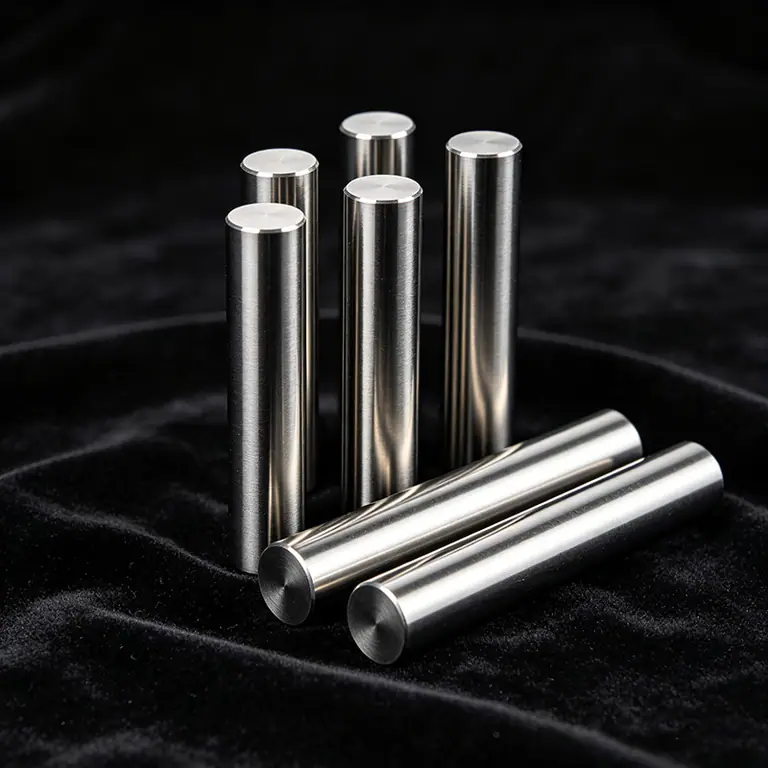
The Complete Cr8Mo2SiV Die Steel Guide: Balancing Hardness, Toughness and Machinability
Cr8Mo2SiV is an upgraded cold-work tool steel over Cr12Mo1V1, striking a better balance between hardness, toughness and machinability. This article covers the key selection criteria for Cr8Mo2SiV in die making — from material properties and heat treatment to typical applications.
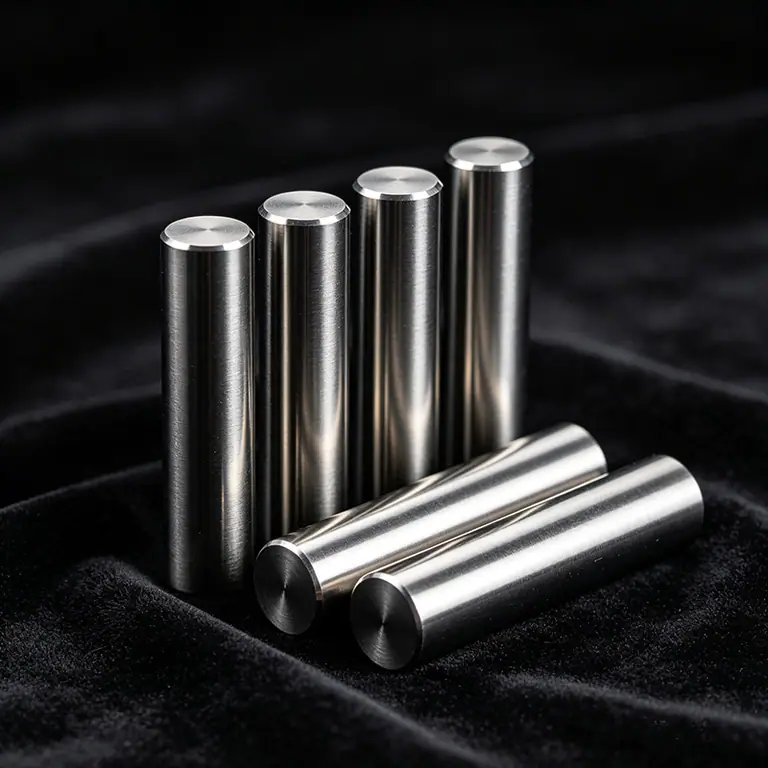
Cr12Mo1V1 vs Cr8Mo2SiV: Two Close Cousins — Which Is Right for Your Die?
Cr12Mo1V1 and Cr8Mo2SiV are both cold-work tool steels with similar chemistry but different strengths. This article compares them across five dimensions: hardness, toughness, wear resistance, machinability and cost.
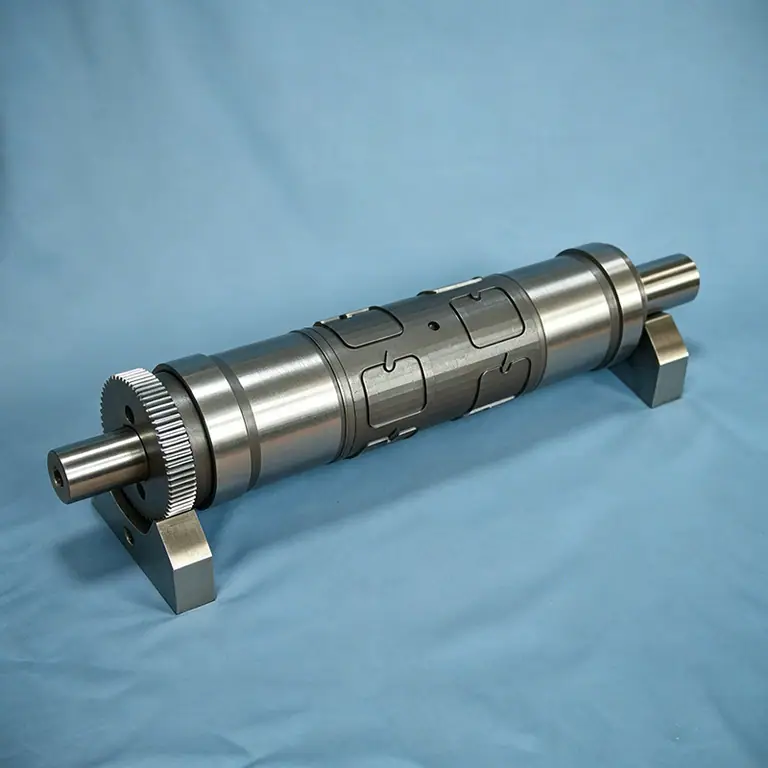
W6Mo5Cr4V2 vs W6Mo5Cr4V2Co5 vs W2Mo9Cr4VCo8: Choosing High-Speed Steel for Rotary Dies
W6Mo5Cr4V2, W6Mo5Cr4V2Co5 and W2Mo9Cr4VCo8 cover 90% of rotary die orders, yet they are often specified by habit rather than data. This guide compares hardness, red hardness, toughness, grindability and cost, then maps each grade to the die types it actually suits.
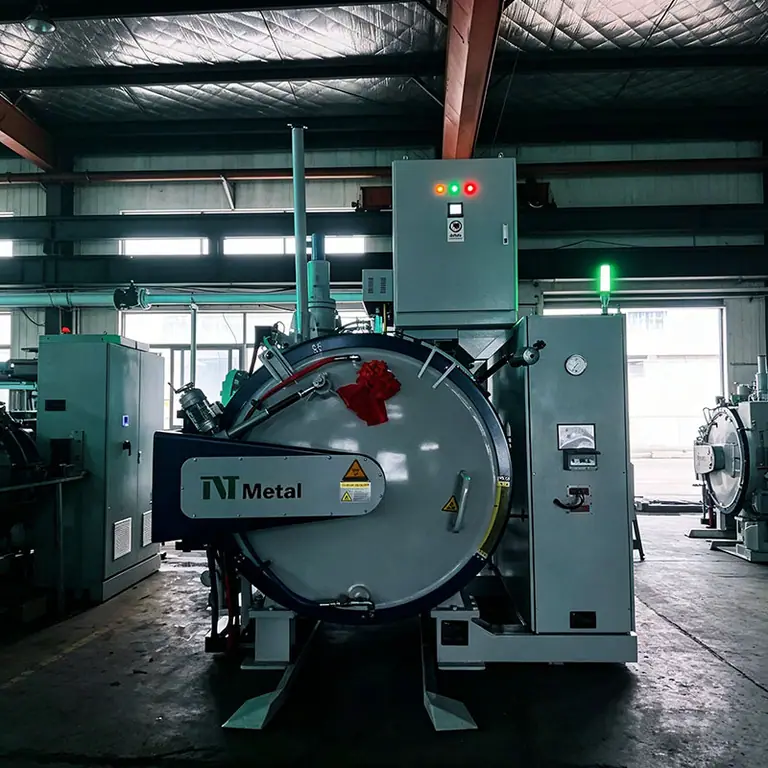
Material Science
3 articlesPM23 vs W6Mo5Cr4V2: When Powder Metallurgy Steel Is Worth It
PM23 and W6Mo5Cr4V2 can reach similar hardness, so why does one cost several times more? The answer lies in carbide size and distribution — and in how a die actually fails. This article explains what powder metallurgy steel buys you and when it is wasted money.
Cr12MoV (D3 / SKD3) Equivalents: What It Is and When It Fails
Cr12MoV is the D3-type economy cold-work tool steel, and it is frequently cross-referenced to D3, SKD3 or even Cr12Mo1V1. Those substitutions are not equivalent, and the difference shows up as premature die failure. Here is what Cr12MoV actually is and where its limits sit.
Die Steel Cross-Reference: JIS, AISI, DIN, BS, NF, UNI and GOST Equivalents
Your drawing quotes a national standard; our stock carries a grade name. This is the cross-reference chart for every grade we hold — SKD11, D2, Cr12MoV, DC53, 440C, SUS420J2, O1, M2, M35, M42 and ASP23 — against the Japanese, American, German, British, French, Italian and Russian systems, with the cases where the equivalents genuinely break down.
Rotary Die Tooling
4 articles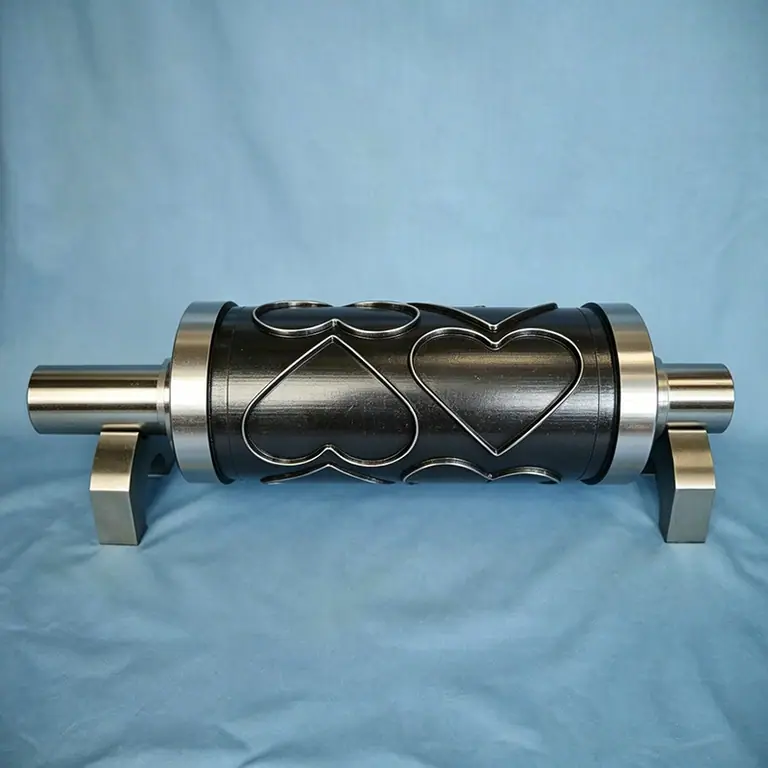
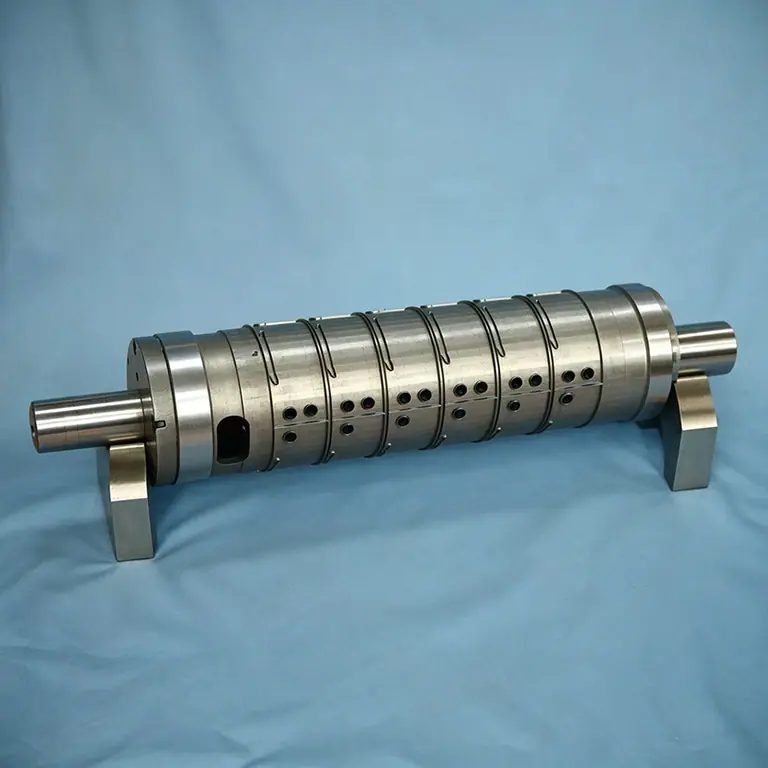
Rotary Die Construction Guide: Six Families and How to Choose
Rotary dies are usually classified by application, which hides the decision that actually determines cost and capability: how the cutting tool is constructed. This guide covers the six families we machine — solid engraved, segmented, spiral cutting, gear-driven, slitting blade assemblies and complete journalled rollers — and maps each to the production situations where it wins.
Kiss-Cut vs Through-Cut: Setting Cut Depth on a Rotary Press
Kiss-cutting and through-cutting are separated by microns of penetration, yet they produce completely different products. This article explains what each mode actually does to a multi-layer web, how cut depth is set and measured on a rotary press, why liner damage happens, and how cut depth interacts with matrix stripping and line speed.
Rotary Die Maintenance: Pressure Setup, Anvil Care and Resharpening
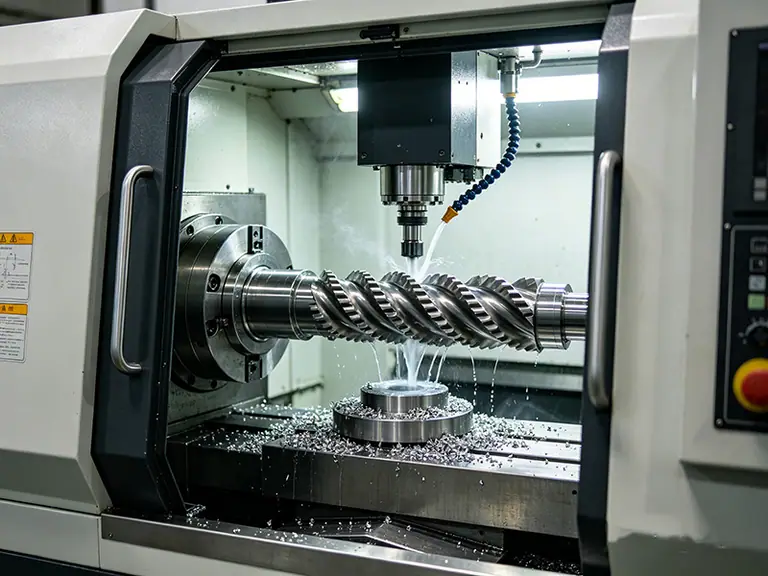
Most rotary dies are replaced before they are worn out — usually because an anvil was left too long, or because nobody tracked how much outside diameter the die had already given up. This guide covers the maintenance programme that prevents both: pressure setup, anvil care, edge inspection intervals, and the outside-diameter log that tells you how much life is left.
Rotary vs Flatbed Die Cutting: Which Process Fits Your Job
Rotary and flatbed die cutting are not competing technologies so much as different answers to different questions. Rotary wins on speed and on continuous roll-fed work; flatbed wins on substrate range, tooling cost and how easily the tool can be changed. This article compares them on the six factors that actually decide the choice.
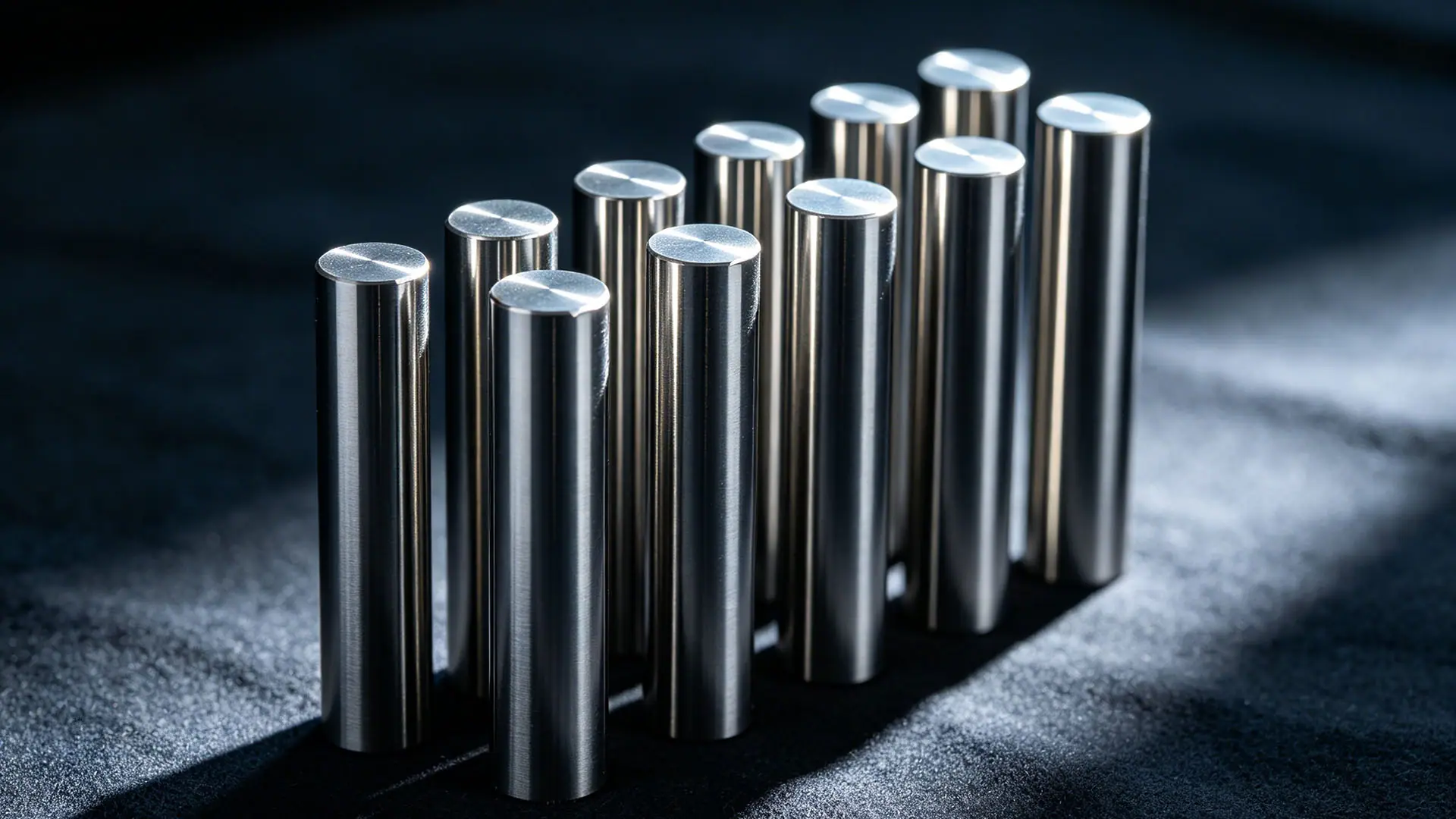
Grade Reference Index
Every grade we stock, listed under its GB designation. The line underneath is what the same steel is called on JIS, AISI/ASTM, DIN and GOST drawings — open a grade for its full composition, tolerances and heat treatment data.
9Cr18Mo
HRC 58-62Stainless Steel
440C · SUS440C · 1.4125
Cr8Mo2SiV
HRC 58-62Cold Work Tool Steel
D2 mod · 1.2379 mod
W6Mo5Cr4V2
HRC 60-63High-Speed Steel
M2 · SKH51 · 1.3343
9CrWMn
HRC 58-62Cold Work Tool Steel
O1 · SKS3 · 1.2510
W6Mo5Cr4V2Co5
HRC 63-66Cobalt High-Speed Steel
M35 · SKH55 · 1.3243
W2Mo9Cr4VCo8
HRC 65-66High-Cobalt High-Speed Steel
M42 · SKH59 · 1.3247
PM23
HRC 64-65Powder Metallurgy HSS
PM M3:2 · SKH40 · 1.3344
30Cr13
HRC 50-55Stainless Steel
420 · SUS420J2 · 1.4028
Cr12Mo1V1
HRC 58-62Cold Work Tool Steel
D2 · SKD11 · 1.2379
Looking for a designation that is not listed here? See the full eight-standard cross-reference chart →
Need more specific material advice?
Tell us about your application — the material being cut, stock thickness, die type and expected volume — and we will provide targeted grade recommendations and a quote.